Projects

Published:

The Ecology Role of PlastiSphere
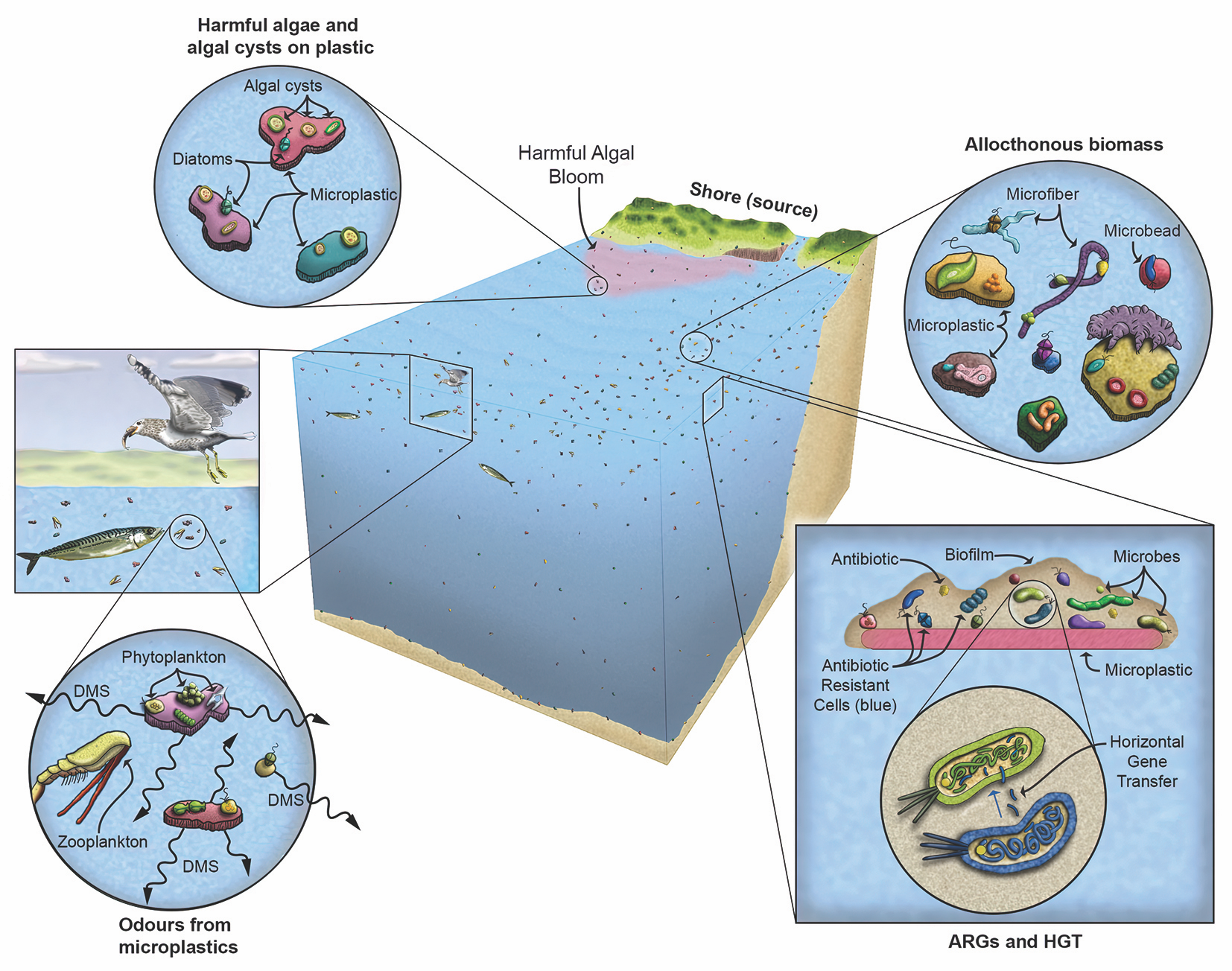
Plastic marine debris (PMD) is a global pollutant now found in every marine ecosystem globally. Predicted to dramatically increase over the next decade, PMD provides a surface for microbial colonization in areas where substrate surfaces are rare. Upon entering seawater, plastics are colonized by microorganisms on a scale of minutes, forming biofilms or plastisphere microbial communities. In this project, we explore the ecological roles of plastic-associated microbial assemblages in different areas: 1) the impacts of allochthonous biogenic factors in the plastisphere, such as non-indigenous species and antibiotic resistant genes, on the endemic ecosystem; 2) how biofilm biomass carried by plastics, as a foreign carbon source, influences the energy flux in marine ecosystems and factors determining the quality of epiplastic biomass and potential effects on the organisms that graze it.
Published:

Microplastics in the Ocean’s Interior
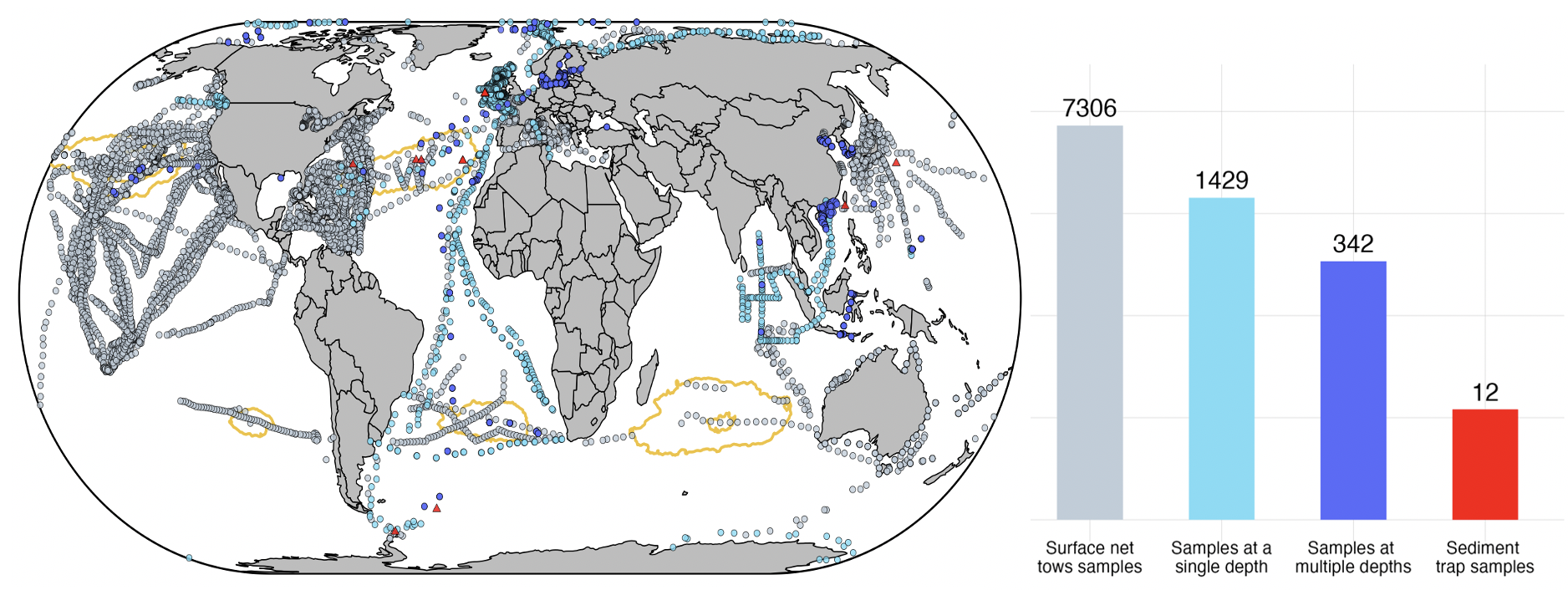
Globally, trillions of plastic pieces float in our oceans, representing an unprecedented environmental challenge. Up to 23 million tonnes of plastic debris enter aquatic ecosystems annually, with microplastics (MP, 1 um to 5 mm in size) as the major disintegration products. Despite their significant presence, tracking MP below the ocean surface remains understudied. This project aims to understand: 1) MP abundance and distribution throughout the water column, from the sea floor to surface waters. 2) Oceanographic processes governing the downward transport of plastic particles and their environmental interactions. Through international collaborations, we collected particle samples at various depths from the World’s Oceans using a combination of in-situ pumps, Manta nets, and multiple opening/closing nets.

Published:

The Role of Fronts in Plastic Pollution
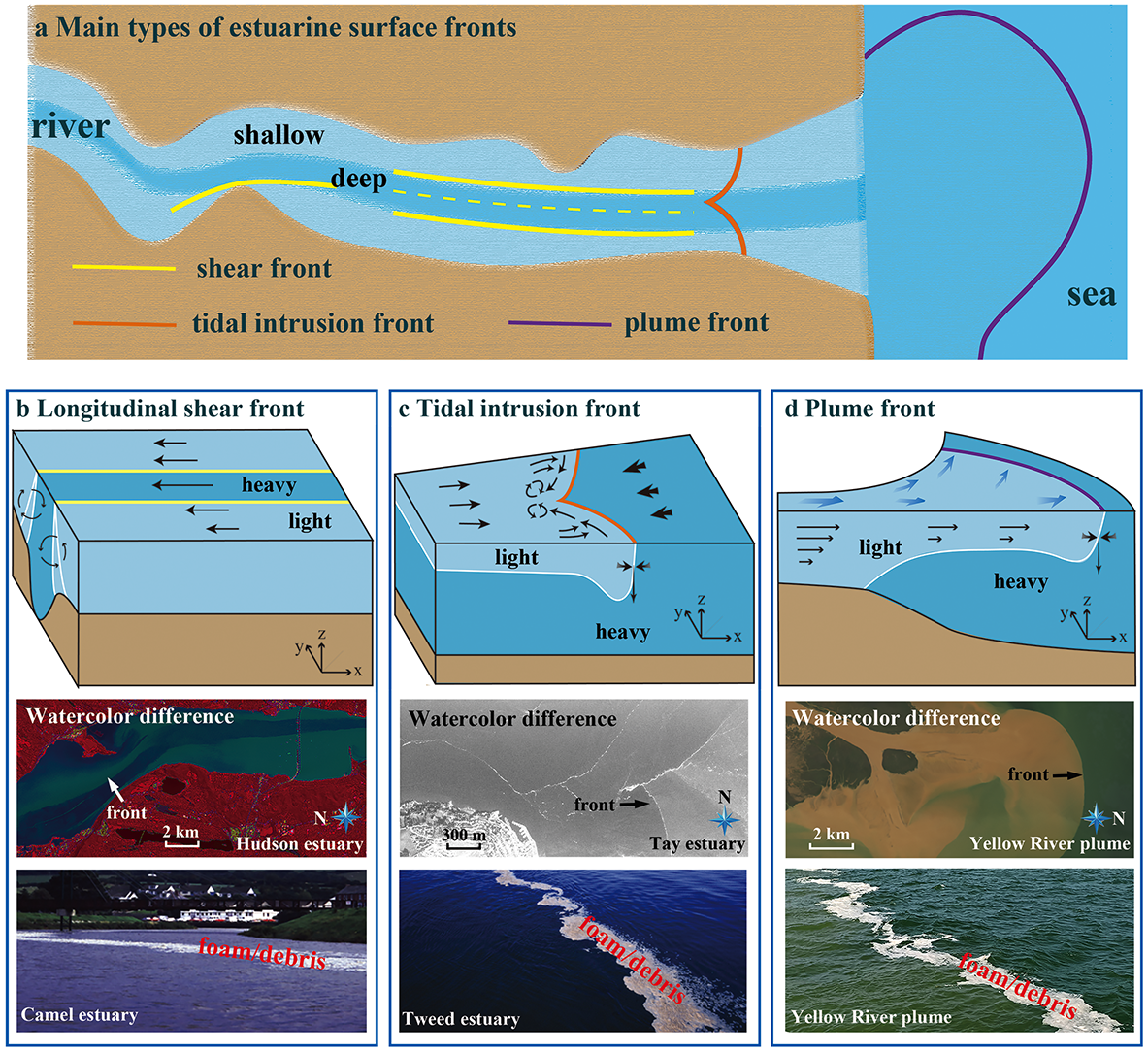
The Asia-Pacific region has been identified as the world’s largest contributor of mismanaged plastic waste (MPW). Rivers play a crucial role in transporting land-derived material (for example, ~91% of the global MPW) and freshwater to the coastal ocean, the latter creating convergent river plume fronts. Convergent frontal systems trapping suspended materials and planktonic organisms have been well documented. Whether and how plume fronts are important to the distribution, transport, and fate of plastic debris (including microplastic smaller than 5 mm) is largely unknown. Supported by the APN, Our study uses a combination of measurements and numerical models to determine how plastics are impacted by plume fronts. Multiple observational campaigns were conducted at plume fronts of the Yellow River and Terengganu River to examine plastic densities from the water and zooplankton samples in and around plume frontal zones to test the hypothesis that plastics accumulate at plume fronts, leading to a high ingestion risk in zooplankton. Plastic debris impacted by the dynamics of the Yellow River plume front were studied by performing high-resolution observations of hydrographic and biogeochemical variables. Finally, numerical simulations were carried out to predict the transport of plastics in frontal systems.