Published in Nature, 2025
The distribution of subsurface microplastics in the ocean
This paper provides a global view of microplastics along the ocean water depth. 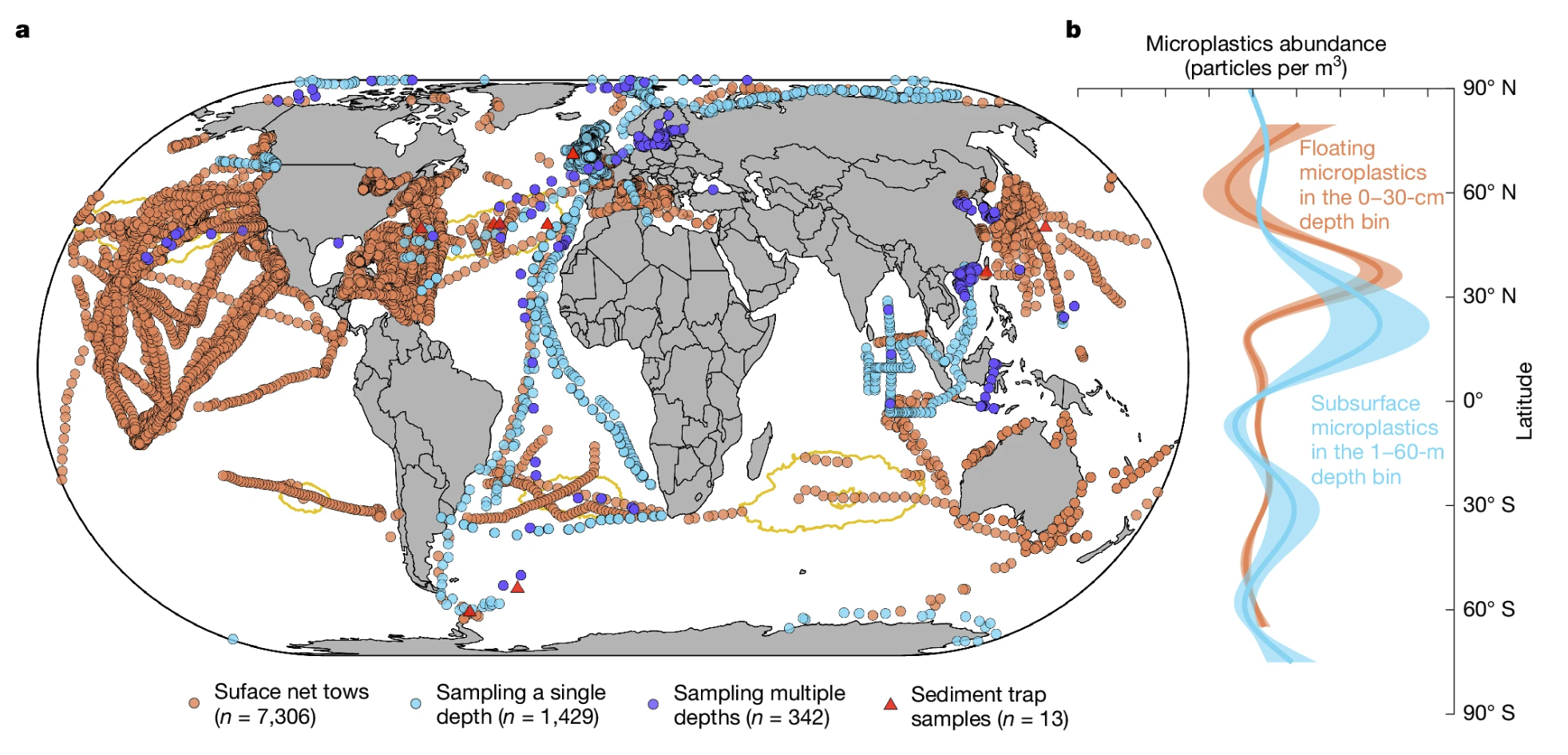

Published in Nature, 2025
The distribution of subsurface microplastics in the ocean
This paper provides a global view of microplastics along the ocean water depth.
Published in Current Opinion in Chemical Engineering, 2025
Plastic carbon in the ocean
This paper synthesizes recent evidence about this new form of plastic carbon in the ocean by addressing it as three components: particulate organic carbon of plastic (pPOC), dissolved organic carbon leaching from plastic (pDOC), and biogenic organic carbon of plastic-attached biofilm (pBOC). 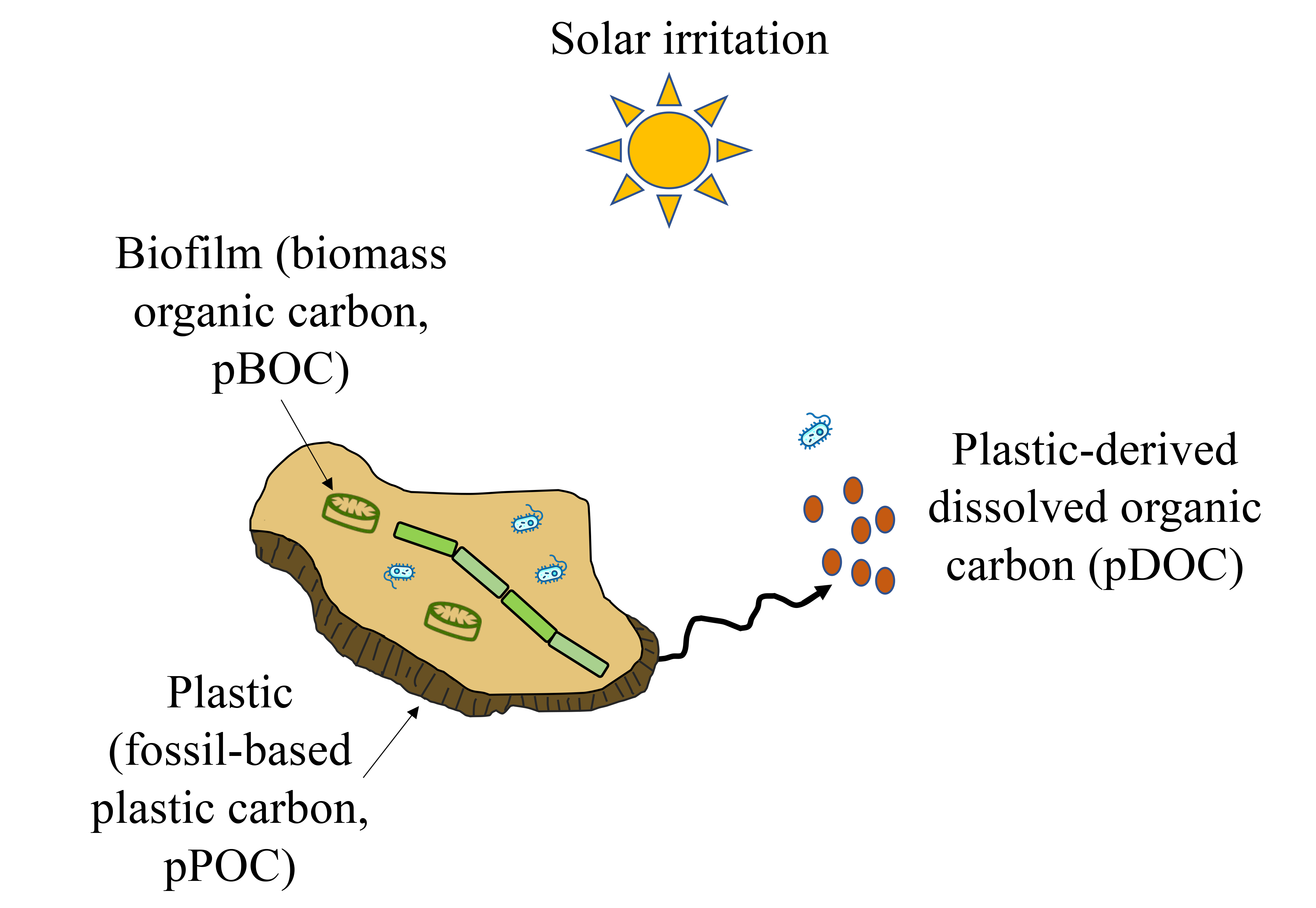
Published in Environmental Science & Technology, 2023
Accumulation, transformation and transport of microplastics in estuarine fronts
In this paper, we identify molecular signatures of DOM from plastic incubations using ultrahigh-resolution mass spectrometry. Light exposure produced 319–705 photoproducts, compared to 0–12 in the dark, including oxygenated compounds. Photoproduct H/C ratios reflected those of the parent polymers, linking DOM composition to plastic stoichiometry. These results show that photochemistry alone can generate hundreds of diverse compounds from simple polymers. 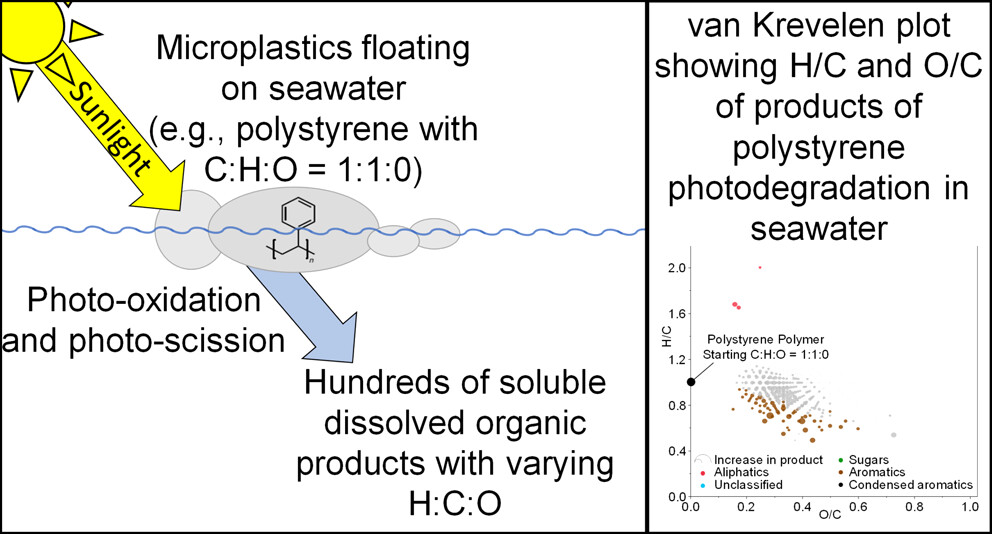
Published in PNAS Nexus, 2023
Pelagic microplastics in the North Pacific Subtropical Gyre: A prevalent anthropogenic component of the particulate organic carbon pool
This work found that Microplastics (334 #/m³; 84.5% <100 µm) are pervasive in the eastern North Pacific Subtropical Gyre, with exponential decline in the upper 500 m and deep accumulation. The biological carbon pump likely drives their vertical redistribution, influencing organic carbon export. Radiocarbon-depleted MPs may alter deep ocean 14C signals, highlighting their role in shaping particulate dynamics. 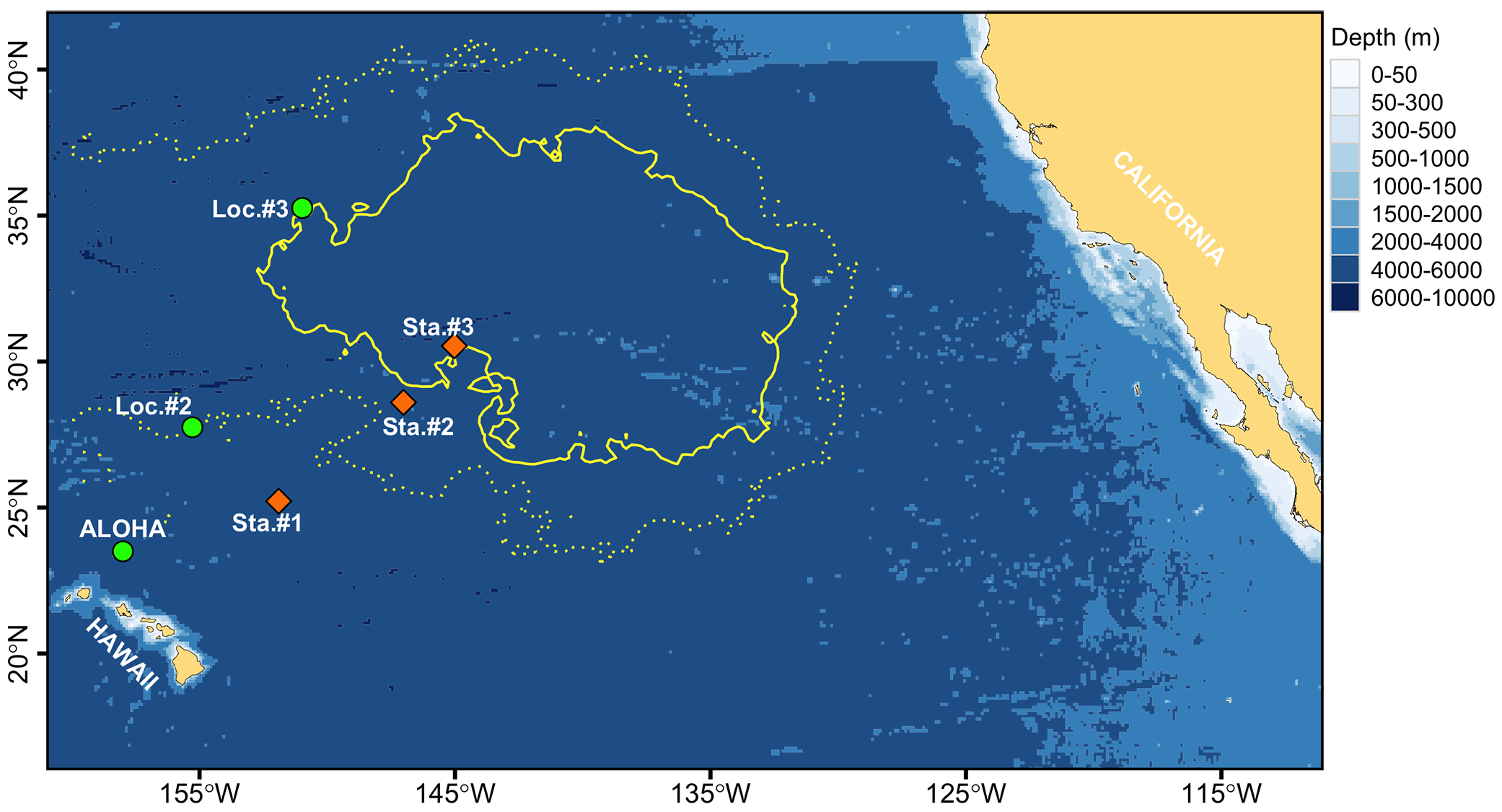
Published in Nature Reviews Earth & Environment, 2022
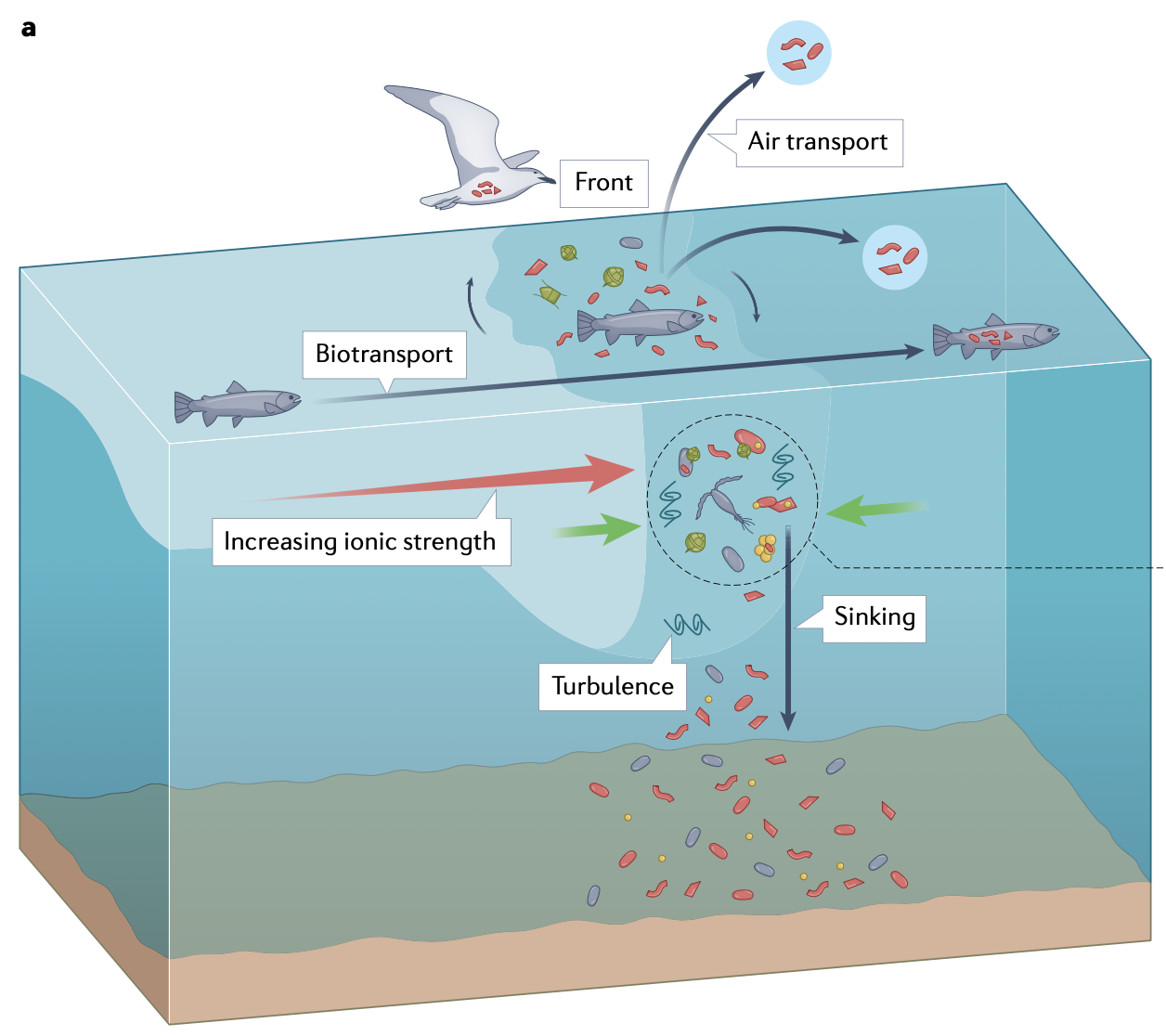
Accumulation, transformation and transport of microplastics in estuarine fronts
This work highlights how estuarine fronts concentrate microplastics through physical, geochemical, and biological interactions. Turbulence and particle mixing enhance microplastic transformation and ecosystem impact. These hotspots may offer targets for mitigation and deepen understanding of plastic fate along the land–sea continuum.