Sitemap
A list of all the posts and pages found on the site. For you robots out there, there is an XML version available for digesting as well.
Pages
Posts
Published:
NHK TV
Shiye’s research was reported by the NHK News. 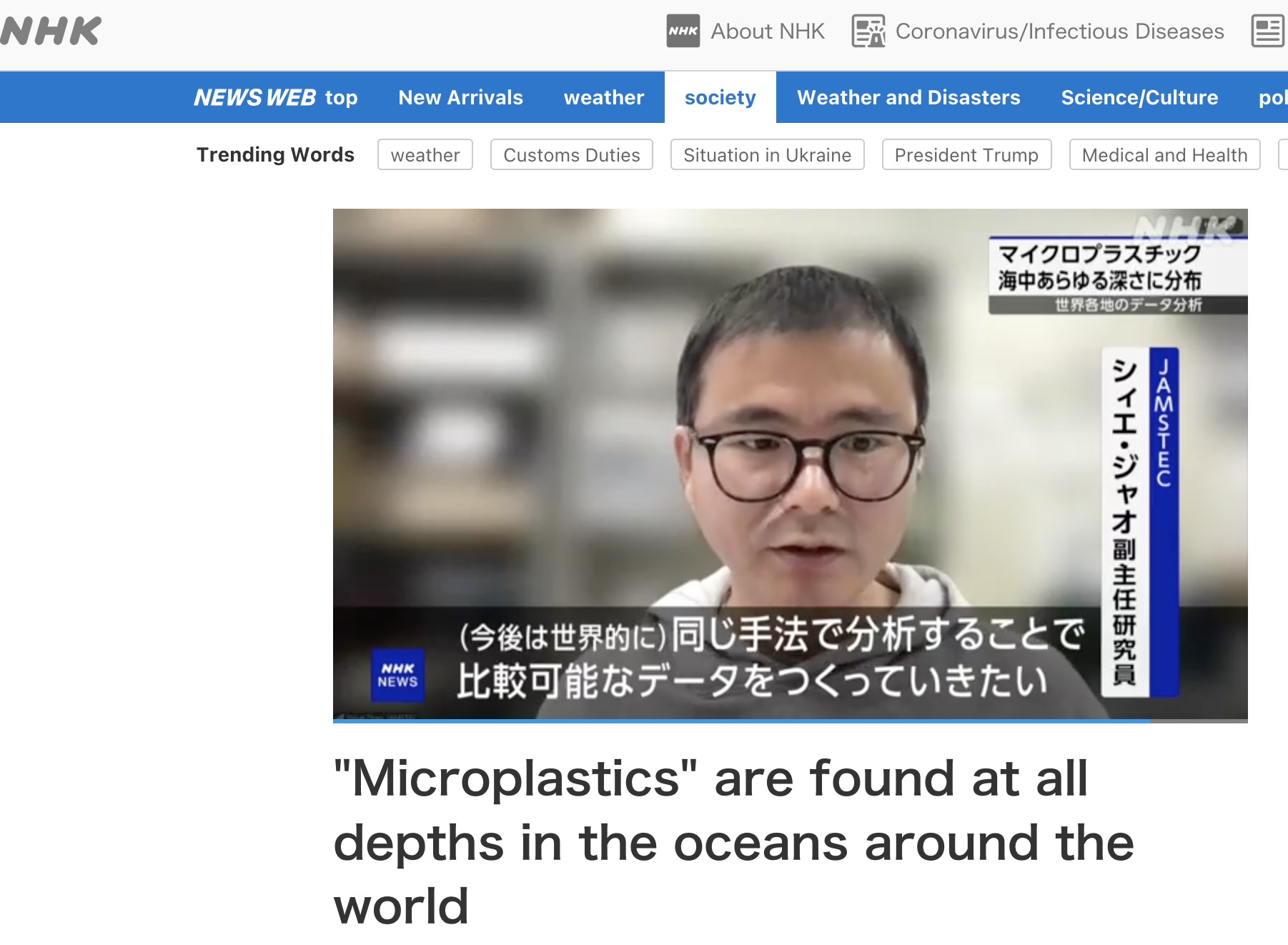
Published:
Shinkai6500
Ready to dive to 6,400 m in the Japan Trench aboard the submersible Shinkai 6500. 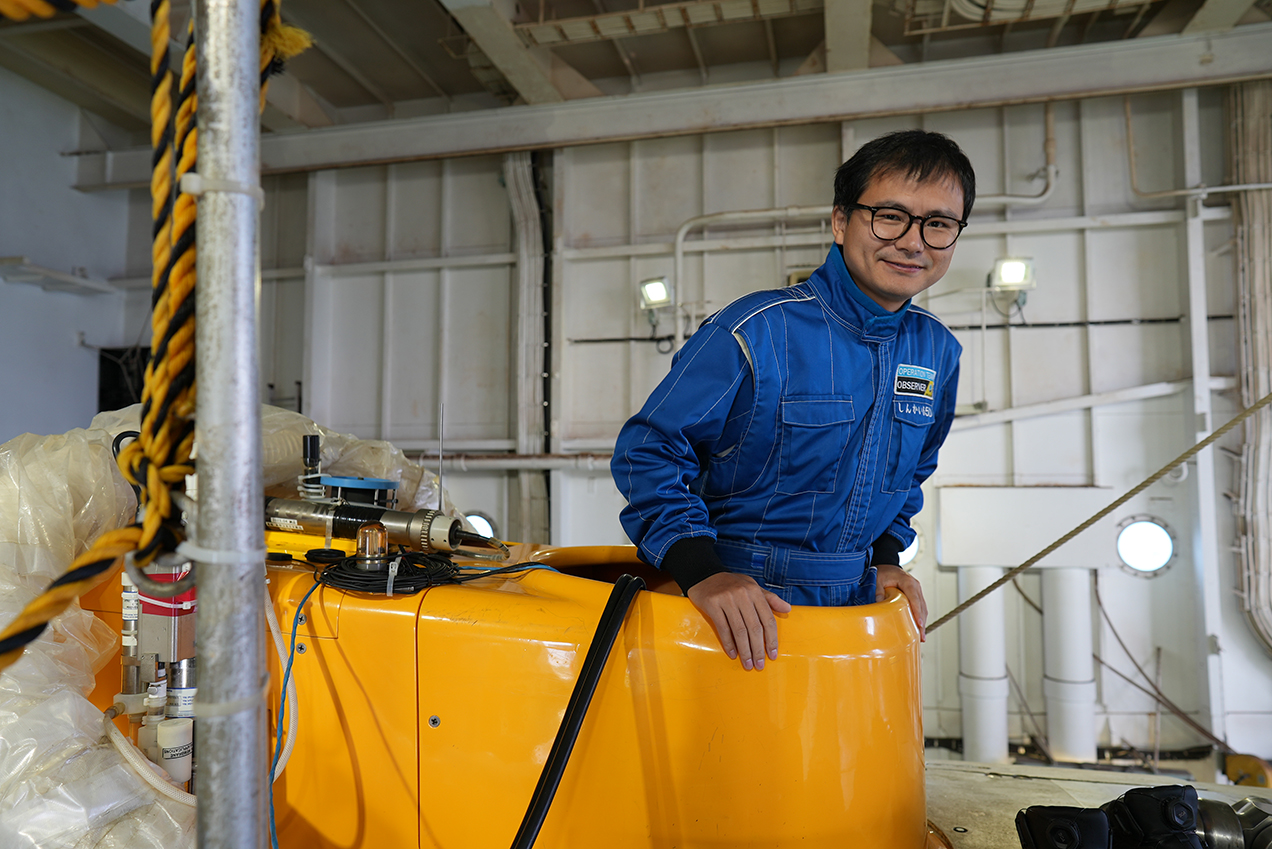
Published:
In-situ Pump
Shiye used these pumps to collect particle samples in the North Atlantic Ocean onboard R/V Pelagia. 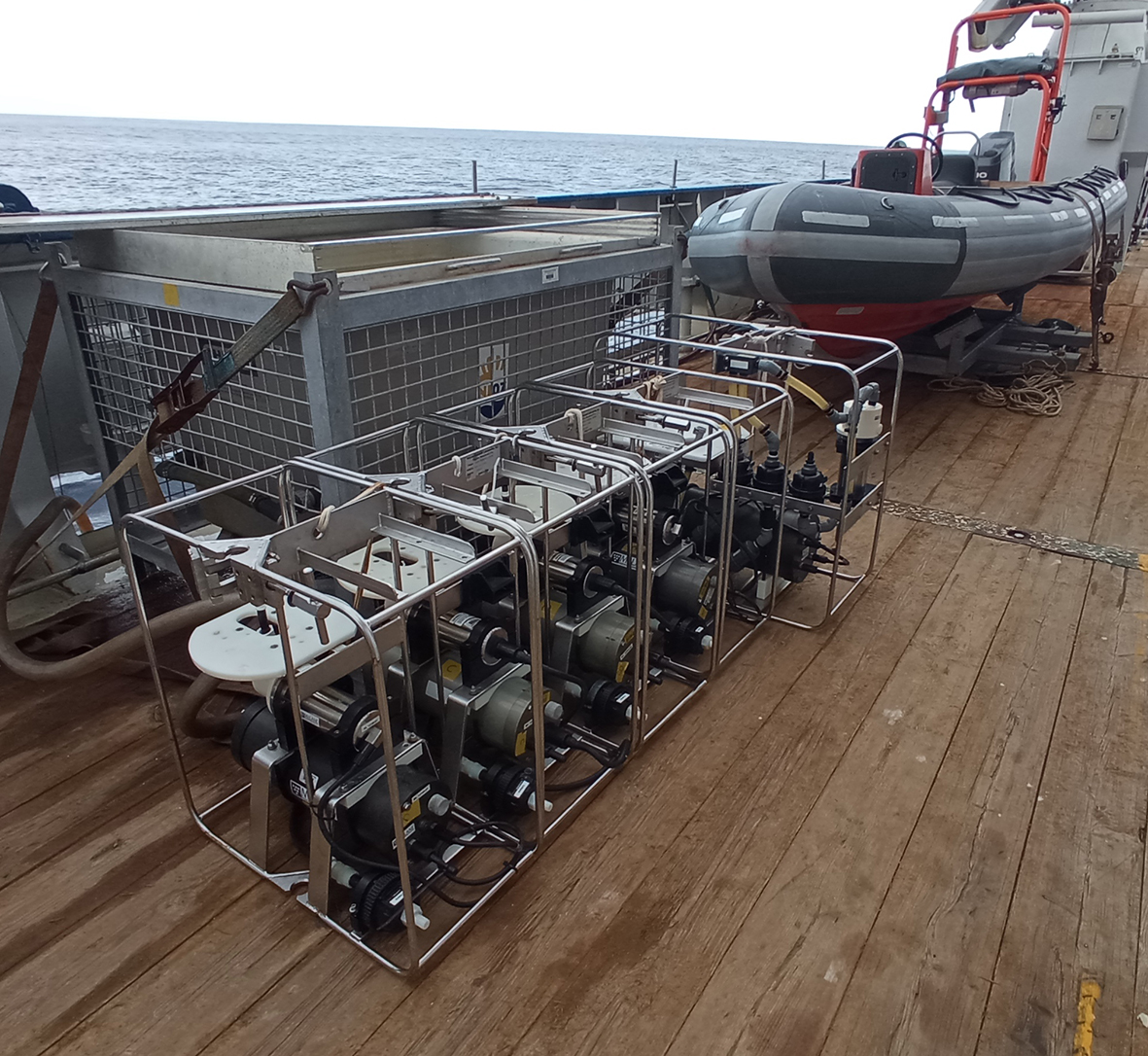
Published:
Plume front
The plume front in the Terengganu River mouth, Malaysia (Credit to Dr. Md Amin). 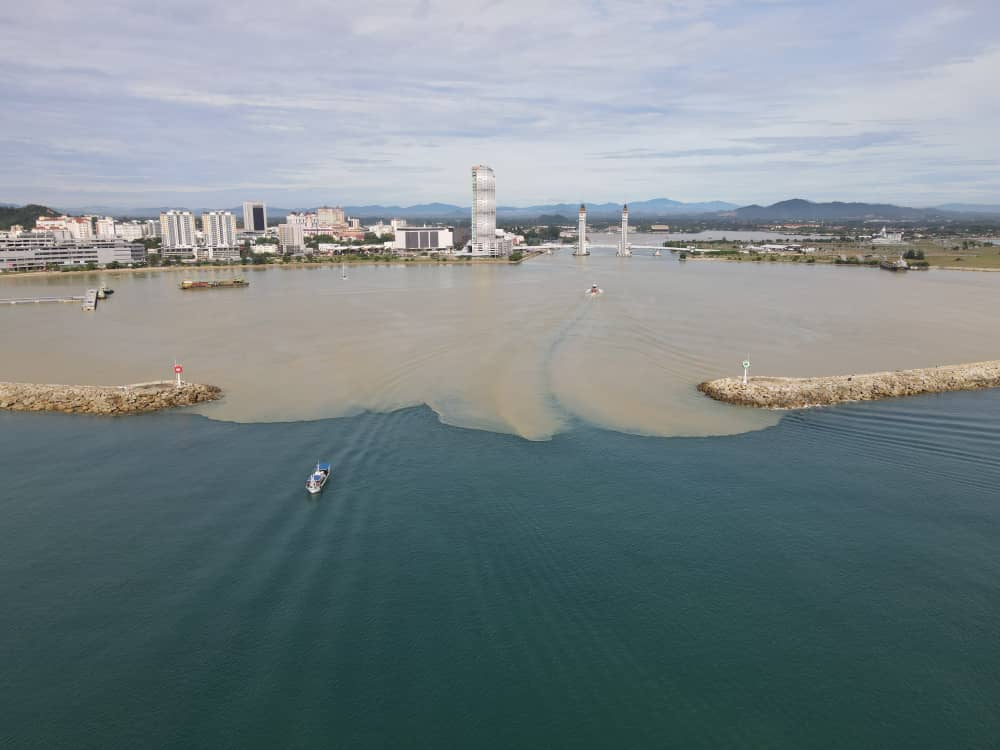
portfolio
Published:
The Ecology Role of PlastiSphere
Plastic marine debris (PMD) is a global pollutant now found in every marine ecosystem globally. Predicted to dramatically increase over the next decade, PMD provides a surface for microbial colonization in areas where substrate surfaces are rare. Upon entering seawater, plastics are colonized by microorganisms on a scale of minutes, forming biofilms or plastisphere microbial communities. In this project, we explore the ecological roles of plastic-associated microbial assemblages in different areas: 1) the impacts of allochthonous biogenic factors in the plastisphere, such as non-indigenous species and antibiotic resistant genes, on the endemic ecosystem; 2) how biofilm biomass carried by plastics, as a foreign carbon source, influences the energy flux in marine ecosystems and factors determining the quality of epiplastic biomass and potential effects on the organisms that graze it. 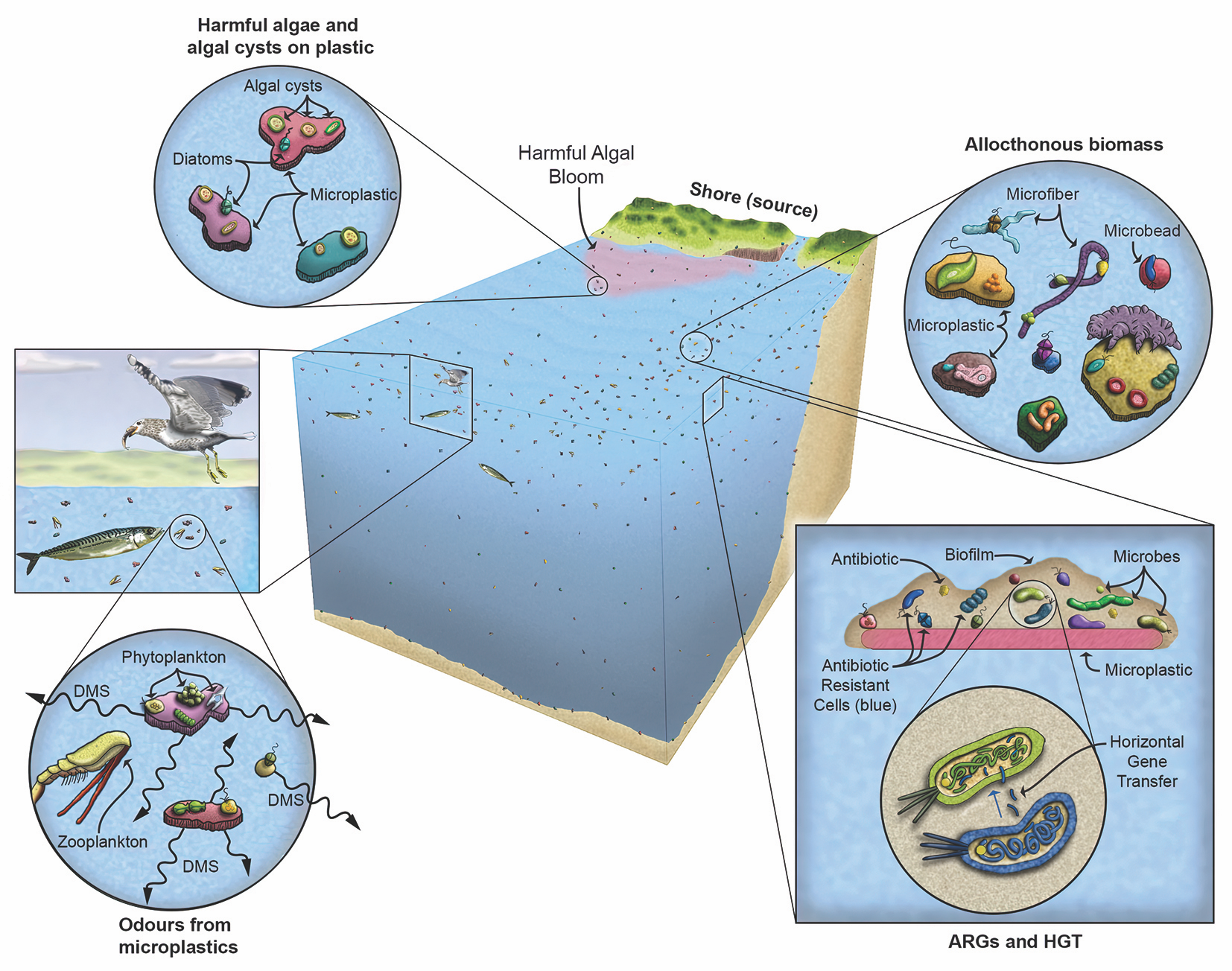
Published:
Microplastics in the Ocean’s Interior
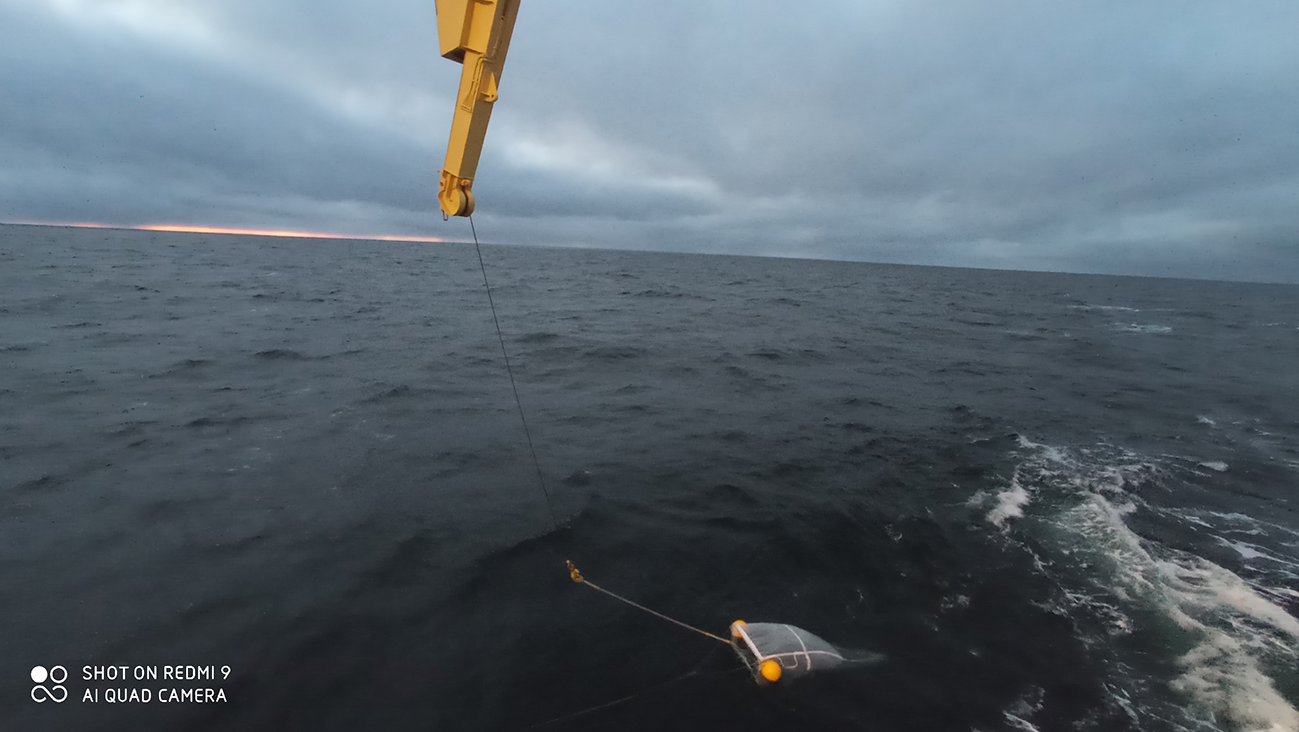
Globally, trillions of plastic pieces float in our oceans, representing an unprecedented environmental challenge. Up to 23 million tonnes of plastic debris enter aquatic ecosystems annually, with microplastics (MP, 1 um to 5 mm in size) as the major disintegration products. Despite their significant presence, tracking MP below the ocean surface remains understudied. This project aims to understand: 1) MP abundance and distribution throughout the water column, from the sea floor to surface waters. 2) Oceanographic processes governing the downward transport of plastic particles and their environmental interactions. Through international collaborations, we collected particle samples at various depths from the World’s Oceans using a combination of in-situ pumps, Manta nets, and multiple opening/closing nets. 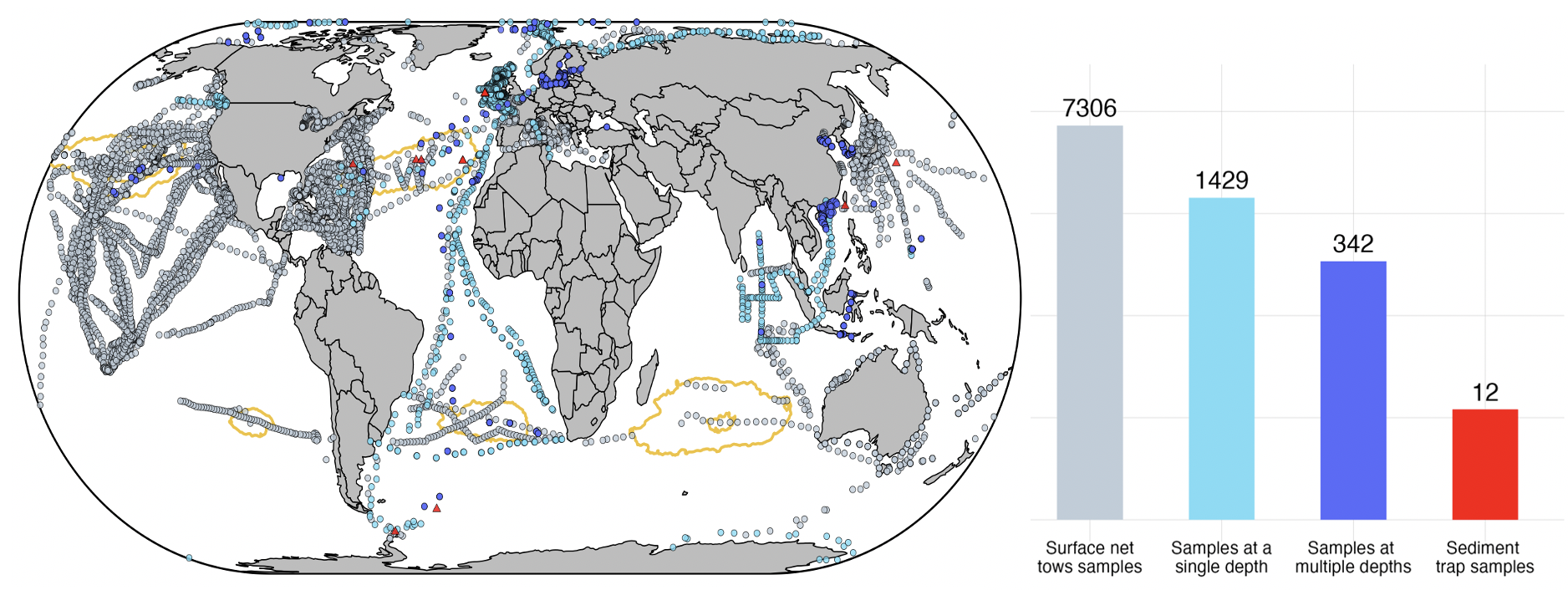
Published:
The Role of Fronts in Plastic Pollution
The Asia-Pacific region has been identified as the world’s largest contributor of mismanaged plastic waste (MPW). Rivers play a crucial role in transporting land-derived material (for example, ~91% of the global MPW) and freshwater to the coastal ocean, the latter creating convergent river plume fronts. Convergent frontal systems trapping suspended materials and planktonic organisms have been well documented. Whether and how plume fronts are important to the distribution, transport, and fate of plastic debris (including microplastic smaller than 5 mm) is largely unknown. Supported by the APN, Our study uses a combination of measurements and numerical models to determine how plastics are impacted by plume fronts. Multiple observational campaigns were conducted at plume fronts of the Yellow River and Terengganu River to examine plastic densities from the water and zooplankton samples in and around plume frontal zones to test the hypothesis that plastics accumulate at plume fronts, leading to a high ingestion risk in zooplankton. Plastic debris impacted by the dynamics of the Yellow River plume front were studied by performing high-resolution observations of hydrographic and biogeochemical variables. Finally, numerical simulations were carried out to predict the transport of plastics in frontal systems. 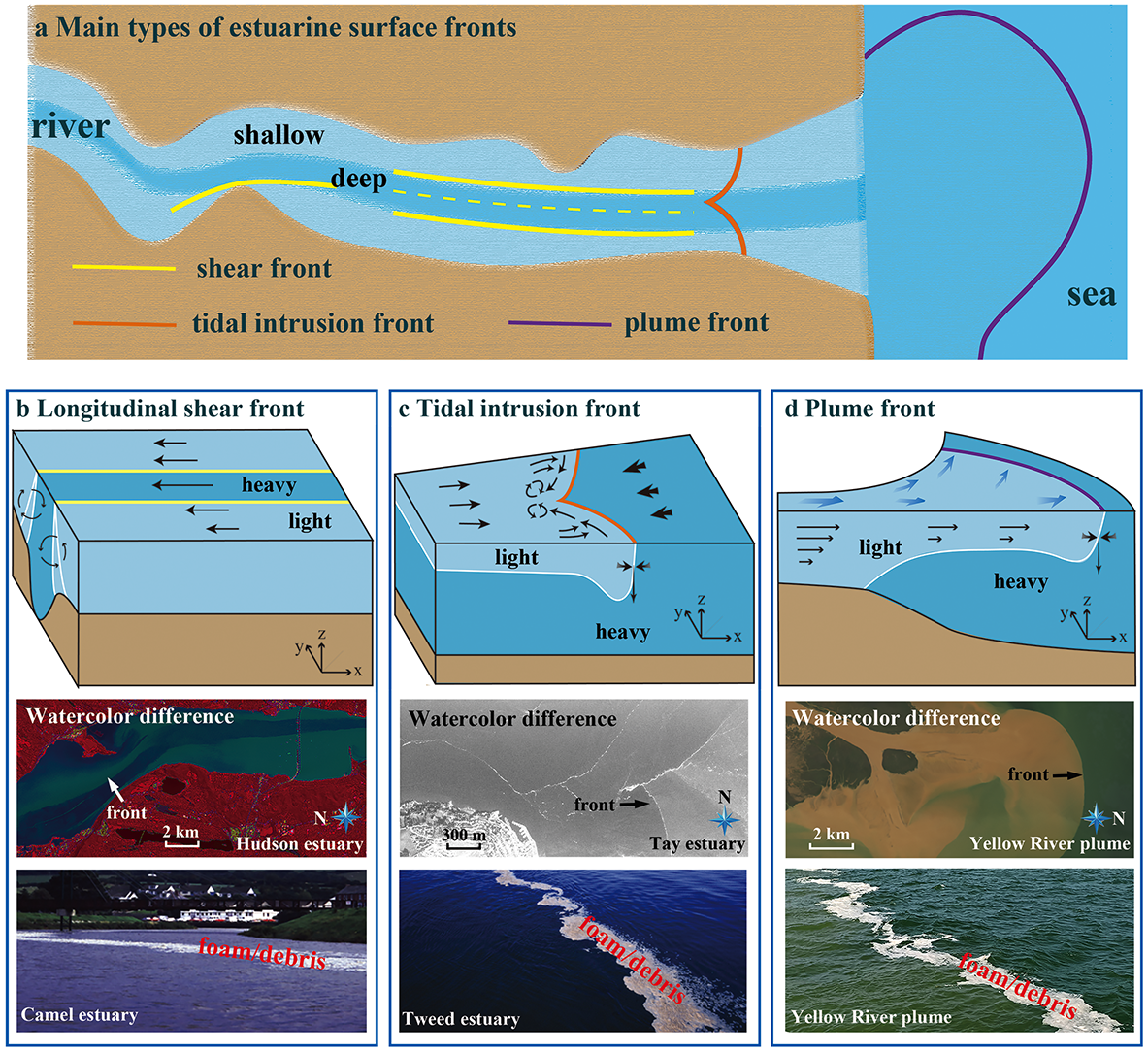
publications
Published in Nature Reviews Earth & Environment, 2022
Accumulation, transformation and transport of microplastics in estuarine fronts
This work highlights how estuarine fronts concentrate microplastics through physical, geochemical, and biological interactions. Turbulence and particle mixing enhance microplastic transformation and ecosystem impact. These hotspots may offer targets for mitigation and deepen understanding of plastic fate along the land–sea continuum. 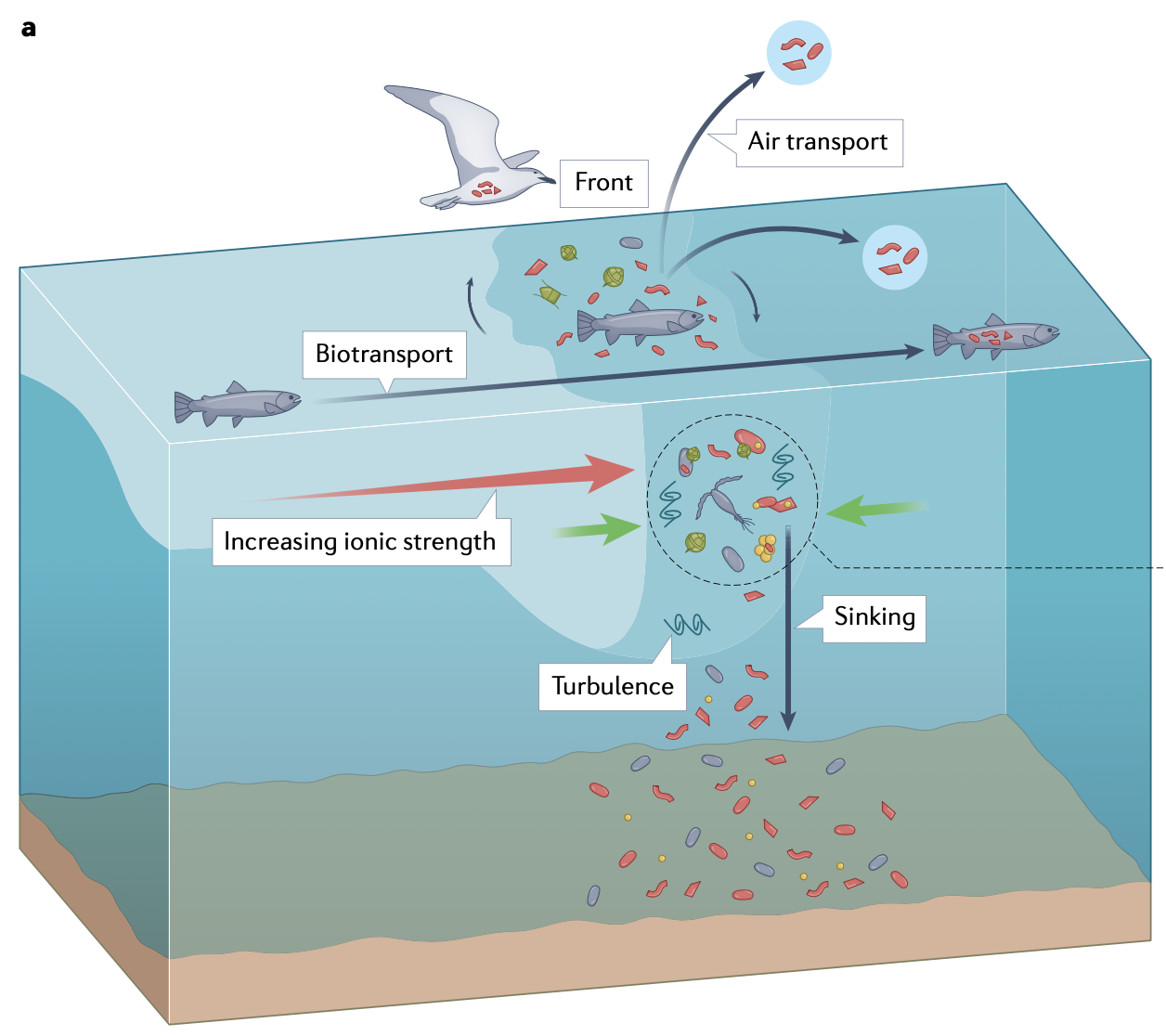
Published in PNAS Nexus, 2023
Pelagic microplastics in the North Pacific Subtropical Gyre: A prevalent anthropogenic component of the particulate organic carbon pool
This work found that Microplastics (334 #/m³; 84.5% <100 µm) are pervasive in the eastern North Pacific Subtropical Gyre, with exponential decline in the upper 500 m and deep accumulation. The biological carbon pump likely drives their vertical redistribution, influencing organic carbon export. Radiocarbon-depleted MPs may alter deep ocean 14C signals, highlighting their role in shaping particulate dynamics. 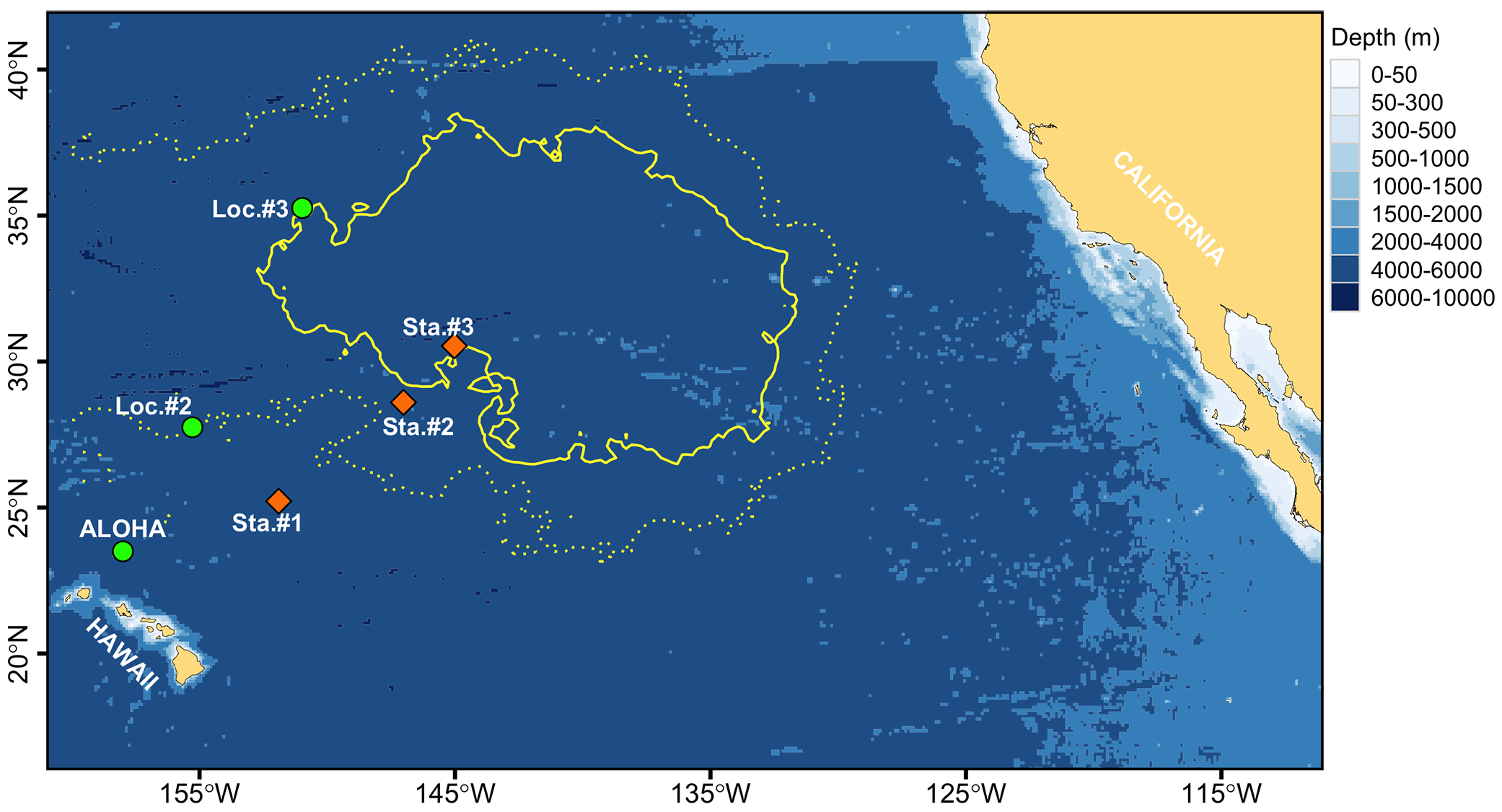
Published in Environmental Science & Technology, 2023
Accumulation, transformation and transport of microplastics in estuarine fronts
In this paper, we identify molecular signatures of DOM from plastic incubations using ultrahigh-resolution mass spectrometry. Light exposure produced 319–705 photoproducts, compared to 0–12 in the dark, including oxygenated compounds. Photoproduct H/C ratios reflected those of the parent polymers, linking DOM composition to plastic stoichiometry. These results show that photochemistry alone can generate hundreds of diverse compounds from simple polymers. 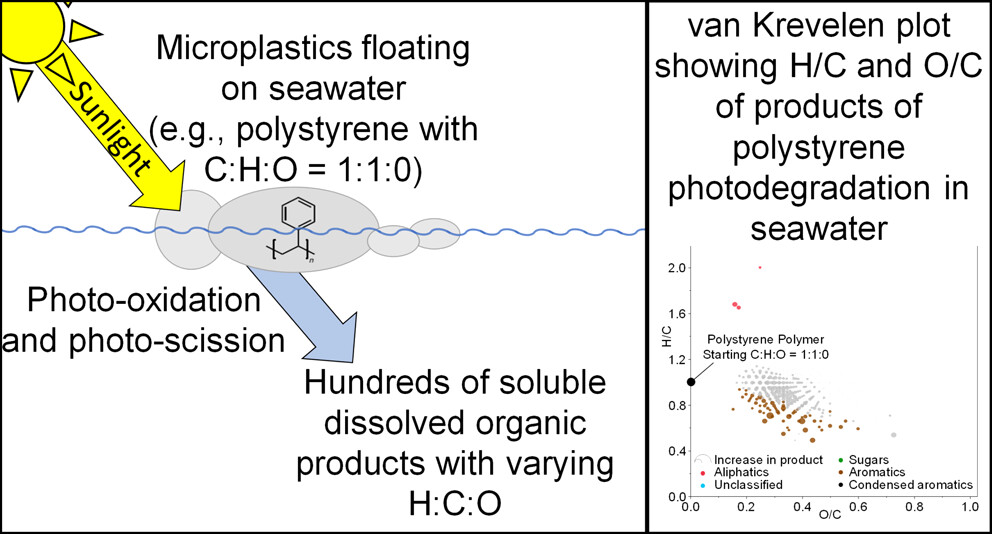
Published in Current Opinion in Chemical Engineering, 2025
Plastic carbon in the ocean
This paper synthesizes recent evidence about this new form of plastic carbon in the ocean by addressing it as three components: particulate organic carbon of plastic (pPOC), dissolved organic carbon leaching from plastic (pDOC), and biogenic organic carbon of plastic-attached biofilm (pBOC). 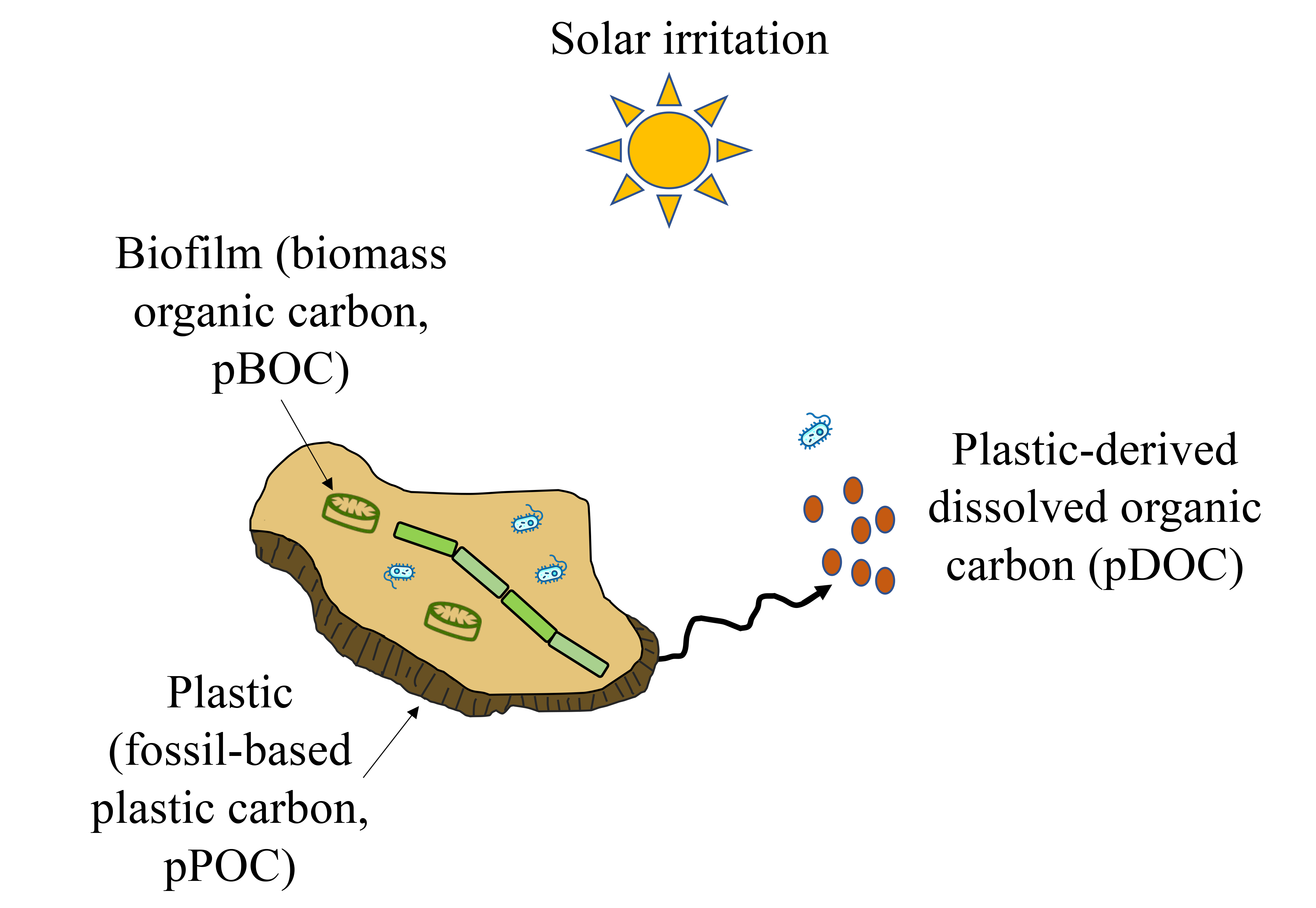
Published in Nature, 2025
The distribution of subsurface microplastics in the ocean
This paper provides a global view of microplastics along the ocean water depth. 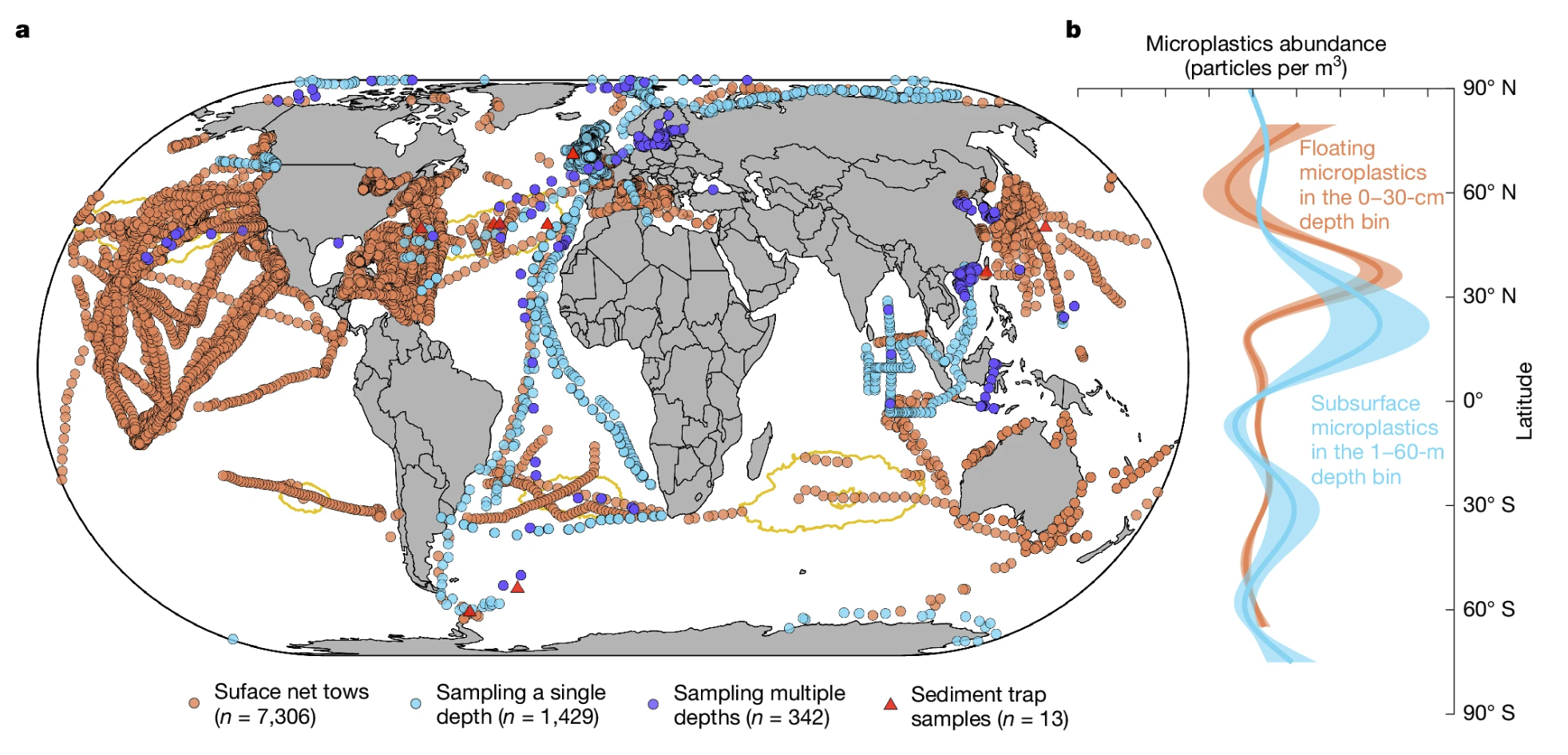
talks
Talk 1 on Relevant Topic in Your Field
Published:
This is a description of your talk, which is a markdown file that can be all markdown-ified like any other post. Yay markdown!
Conference Proceeding talk 3 on Relevant Topic in Your Field
Published:
This is a description of your conference proceedings talk, note the different field in type. You can put anything in this field.
teaching
Teaching experience 1
Undergraduate course, University 1, Department, 2014
This is a description of a teaching experience. You can use markdown like any other post.
Teaching experience 2
Workshop, University 1, Department, 2015
This is a description of a teaching experience. You can use markdown like any other post.